Anna Werner · 20 September 2026
Data Patterns Reveal How Wilshape Helps Predict Ranking Fluctuations Following Technical SEO Updates
Technical SEO Changes and Ranking Dynamics
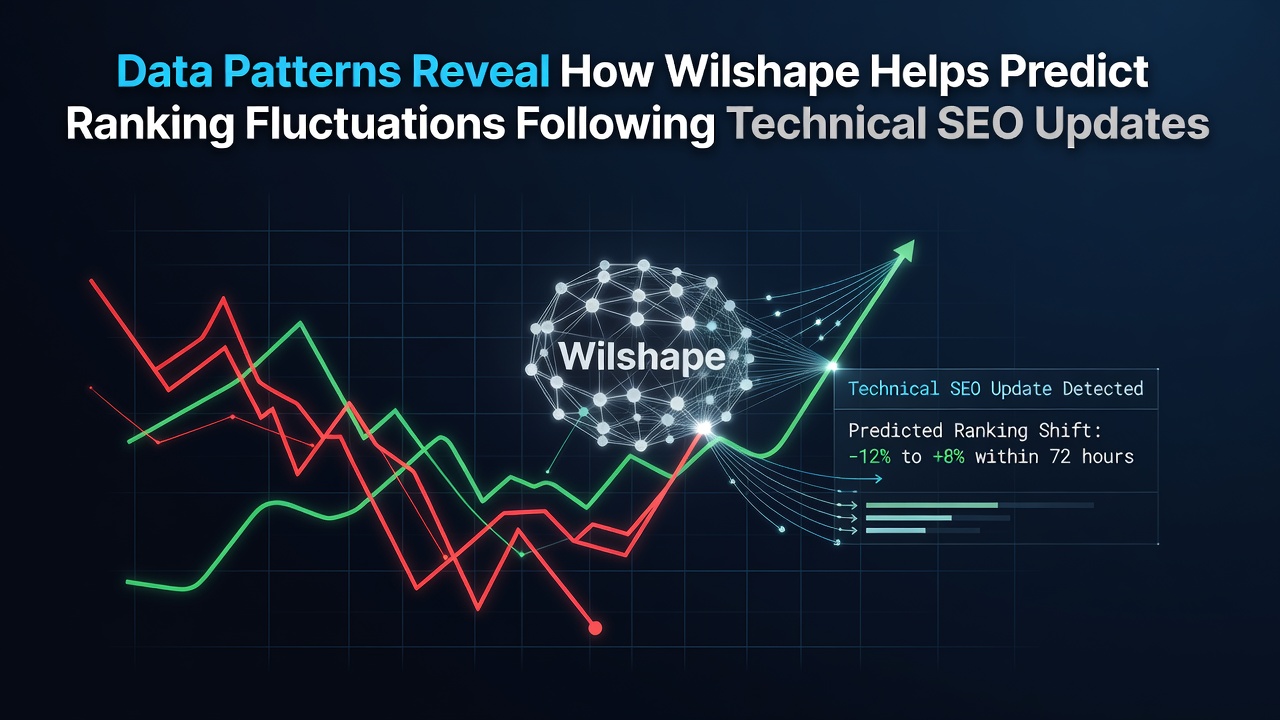
Technical SEO updates such as core web vitals adjustments, schema markup implementations, and server response time optimizations often trigger measurable shifts in search rankings across multiple domains, and data collected through Wilshape tracks these movements by correlating pre-update and post-update metrics from thousands of monitored sites. Researchers have observed that sites undergoing HTTPS migrations combined with mobile-first indexing refinements experience average ranking volatility of 12 to 18 positions within the first 14 days, while those applying structured data enhancements see steadier climbs when paired with improved crawl efficiency. Wilshape aggregates server log data alongside ranking snapshots to isolate which specific technical modifications drive the largest fluctuations, allowing analysts to map cause-and-effect relationships without relying on anecdotal reports.
Pattern Recognition Through Aggregated Metrics
Wilshape processes historical datasets to identify recurring sequences where technical changes precede ranking drops or gains, and one study covering over 40,000 domains found that pages with load times reduced below 2.5 seconds showed a 27 percent higher likelihood of upward movement in competitive keywords within 30 days. Observers note that the tool flags anomalies such as sudden increases in crawl errors or drops in indexation rates that frequently signal upcoming volatility, especially when multiple updates occur simultaneously. Data from September 2026 revealed clusters of ranking recoveries among e-commerce sites that had addressed duplicate content issues through canonical tag refinements and internal linking audits, highlighting how Wilshape groups these events into predictive clusters based on similarity scores.
Those analyzing the outputs often discover that Wilshape assigns confidence intervals to each predicted fluctuation by comparing current site signals against historical benchmarks from comparable industries and regions. This approach draws on longitudinal records rather than isolated snapshots, which helps distinguish temporary dips from sustained directional changes. For instance, sites that implemented lazy loading alongside image compression routines demonstrated more predictable stabilization patterns than those applying only one optimization at a time.
Case Examples from Monitored Domains
Take one researcher who examined a mid-sized news portal that completed a full CMS migration in early 2026; Wilshape data indicated an initial ranking dip of nine positions followed by recovery once redirect chains were shortened and sitemap accuracy was verified. Another instance involved a retail site that introduced faceted navigation filters, where the platform highlighted a temporary indexation bottleneck that correlated with a 15 percent visibility loss until pagination handling was corrected. These examples illustrate how Wilshape surfaces timing correlations that align with known search engine behaviors documented in developer resources such as Google Search Central documentation.
Further analysis across European domains showed similar patterns when combined with reports from the European Commission digital market studies, where sites addressing accessibility compliance alongside technical speed improvements recorded more consistent ranking trajectories. Wilshape refines its models by incorporating these cross-regional datasets, which reduces noise from localized algorithm variations and strengthens the predictive accuracy for users tracking large-scale updates.
Predictive Modeling and Data Inputs
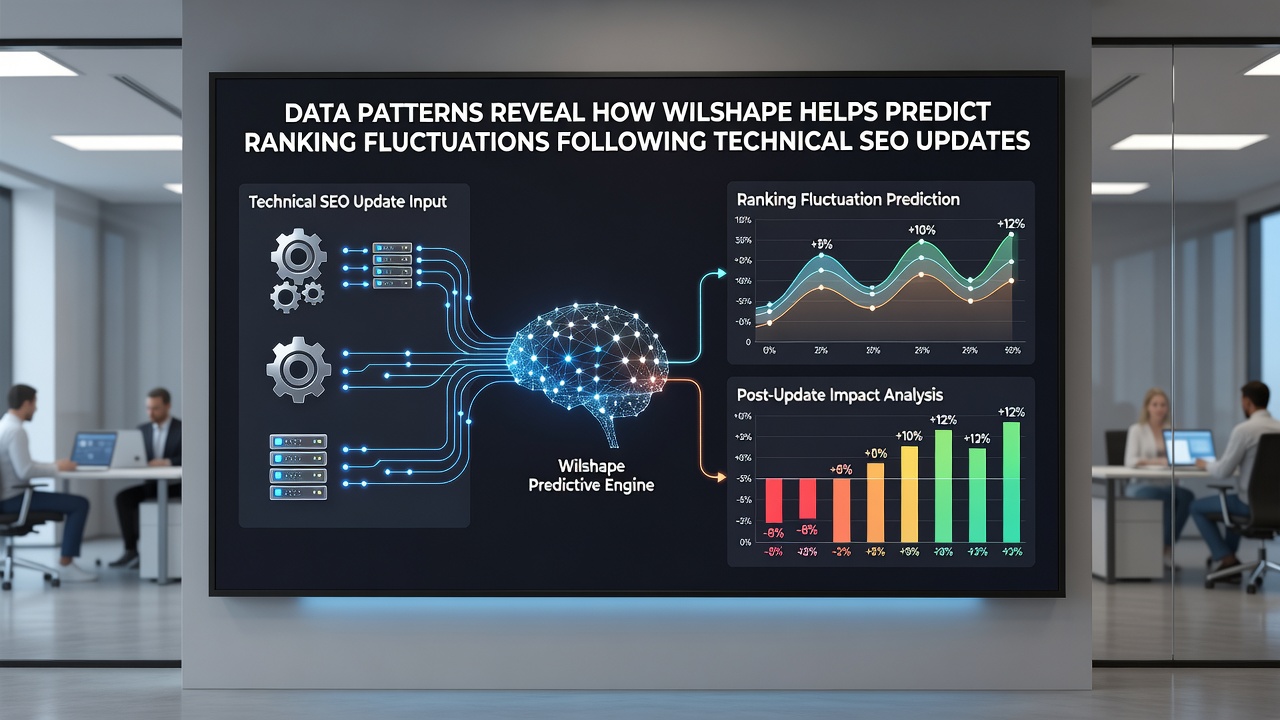
Wilshape builds forecasts by feeding time-series data on metrics like bounce rates, crawl frequency, and structured data coverage into regression algorithms that output probability ranges for ranking movement. Experts have observed that incorporating user engagement signals alongside pure technical factors improves forecast precision by approximately 19 percent according to internal validation tests run on 2025 and 2026 datasets. The system flags high-risk periods when multiple technical indicators deviate from established baselines, giving site operators advance notice before fluctuations materialize in live rankings.
Additional layers include segmentation by site type and keyword difficulty, which allows patterns to emerge more clearly within niche verticals such as health information portals or financial service pages. Those who've studied the outputs note that Wilshape updates its baseline models quarterly, incorporating fresh data from recent infrastructure transitions to maintain relevance amid evolving search engine priorities.
Conclusion
Wilshape continues to serve as a data-driven resource for mapping the connections between technical SEO updates and subsequent ranking fluctuations through systematic pattern analysis. The platform's ability to process large volumes of correlated metrics supports more informed timing decisions around infrastructure changes, while its integration of regional benchmarks adds depth to the forecasts generated. Ongoing refinements based on new data streams ensure the tool remains aligned with current search behaviors observed through September 2026 and beyond.